

PHARMExcel and the University of Southampton are collaborating on a clinical study (IA-Tex) evaluating a novel wearable electro textile device designed to reduce pain in people living with knee osteoarthritis. The device delivers transcutaneous electrical nerve stimulation (TENS) through an integrated knee sleeve, removing the need for traditional sticky pads and enabling continuous, discreet use in everyday life.
The partnership combines academic leadership in device innovation with specialist clinical research organisation (CRO) expertise to ensure the study is delivered safely, efficiently and in line with regulatory expectations.
The University of Southampton acts as sponsor and device manufacturer, leading on scientific design, development and clinical oversight. PHARMExcel provides CRO services including safety management, monitoring and regulatory compliance under Good Clinical Practice and medical device regulations. The collaboration is focused on generating high-quality evidence for a non-invasive, drug-free approach to long-term pain management.
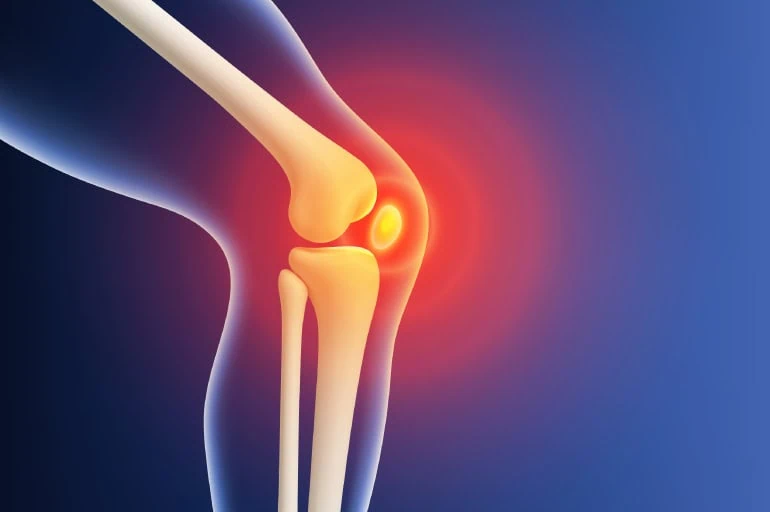
Knee osteoarthritis is one of the leading causes of chronic pain and disability in the UK, affecting more than 5.4 million people. This is expected to rise as the population ages and levels of obesity increase.
The condition is progressive, often leading to long-term pain, reduced mobility and loss of independence. For many patients, this results in reduced physical activity, which can in turn contribute to further health complications such as cardiovascular disease, diabetes and worsening mental health.
Current treatment approaches rely heavily on pain relief medication, including NSAIDs and opioids, alongside physiotherapy and, in more advanced cases, joint replacement surgery. While this can be effective, these approaches can lead to side effects, variable long-term outcomes and significant cost to healthcare systems.
There is a clear need for alternatives that support patients to manage pain safely at home, while maintaining mobility and independence for longer.
 Knee osteoarthritis is currently managed largely through long-term medication use and, in more severe cases, surgical intervention. In the UK, more than 100,000 knee replacements are performed annually, the vast majority due to osteoarthritis, with significant cost implications for the NHS.
Long-term use of pain medication also carries risks of side effects and ongoing prescribing burden. With this in mind, there is increasing interest in non-invasive approaches that support self-managed care.
The wearable electrotherapy approach being evaluated in this study offers a drug-free, non-invasive alternative that can be used at home. By integrating stimulation technology directly into a wearable garment, the device is designed to improve ease of use and support consistent daily application.
For patients, the aim is to improve pain control, increase mobility and reduce reliance on medication. For healthcare systems, potential benefits include reduced prescribing, fewer GP appointments and reducing surgical intervention in some cases.
Knee osteoarthritis represents a significant and growing healthcare market, driven by ageing populations and increasing number of long-term musculoskeletal conditions. In the UK alone, the condition affects millions of people which is leading to substantial ongoing treatment costs across medication, primary care and surgery.
Current treatment pathways are dominated by pharmacological management and surgical intervention, leaving a clear gap for scalable, non-invasive therapies that can be used in the community.
The wearable electrotherapy device researched in this partnership is positioned to address this gap by offering a home-use alternative that supports increasing demand for self-managed care and digital health solutions.
Early pilot activity has shown encouraging signals, supporting further clinical development and reinforcing the potential for wider adoption if efficacy and usability are demonstrated at scale.
“From the outset, PHARMExcel felt like a true partner rather than a supplier. Their open, proactive communication and genuinely collaborative approach meant we were always aligned, informed, and supported, and we could fulfil our critical regulatory responsibilities to the highest standard. That strong working relationship made the entire process smooth and efficient, giving us real confidence at every stage of the pilot study.”